Industrial Design, Engineering, Marketing, Sales, Communications, CX & Human Factors/UX.
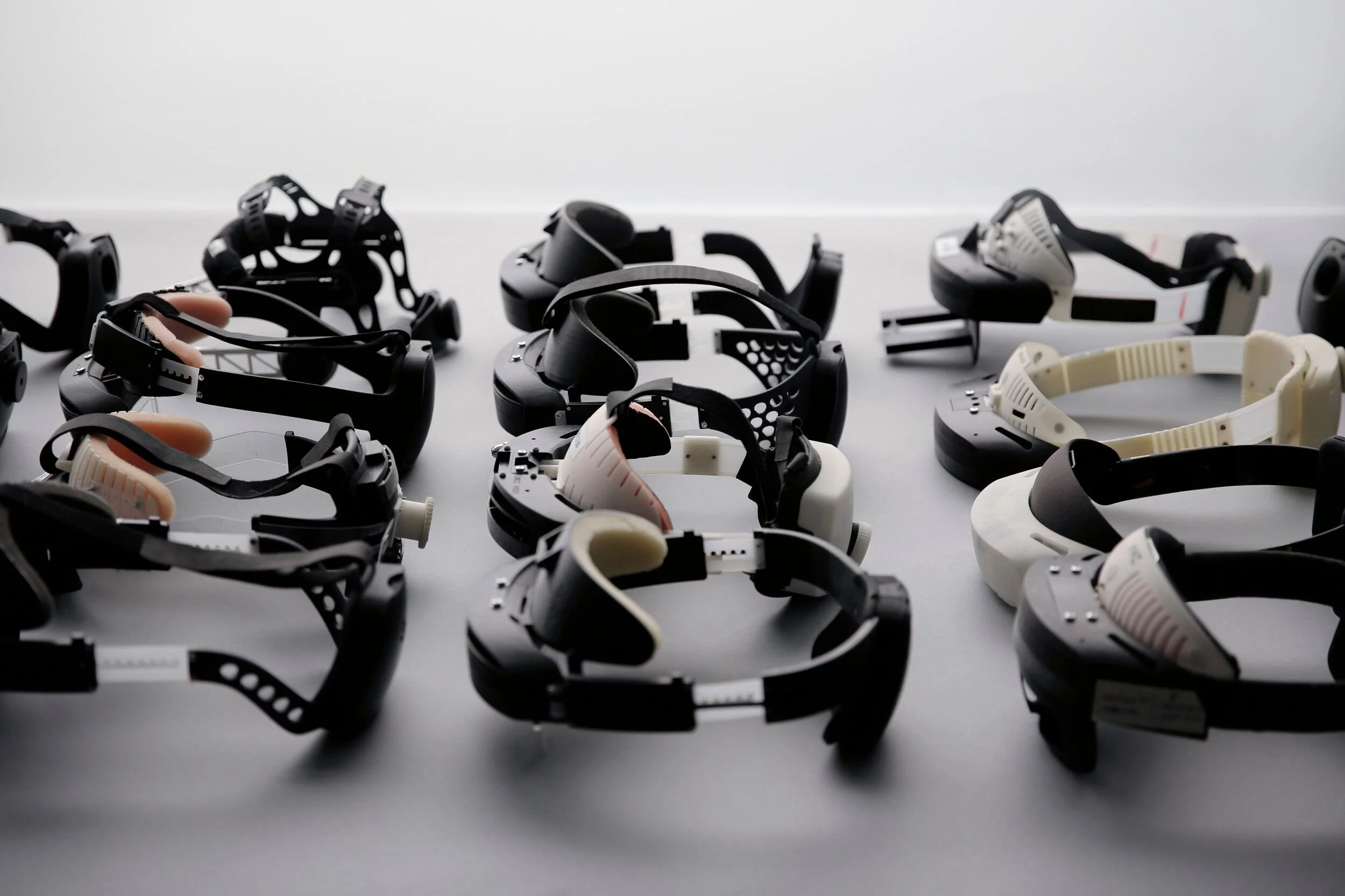
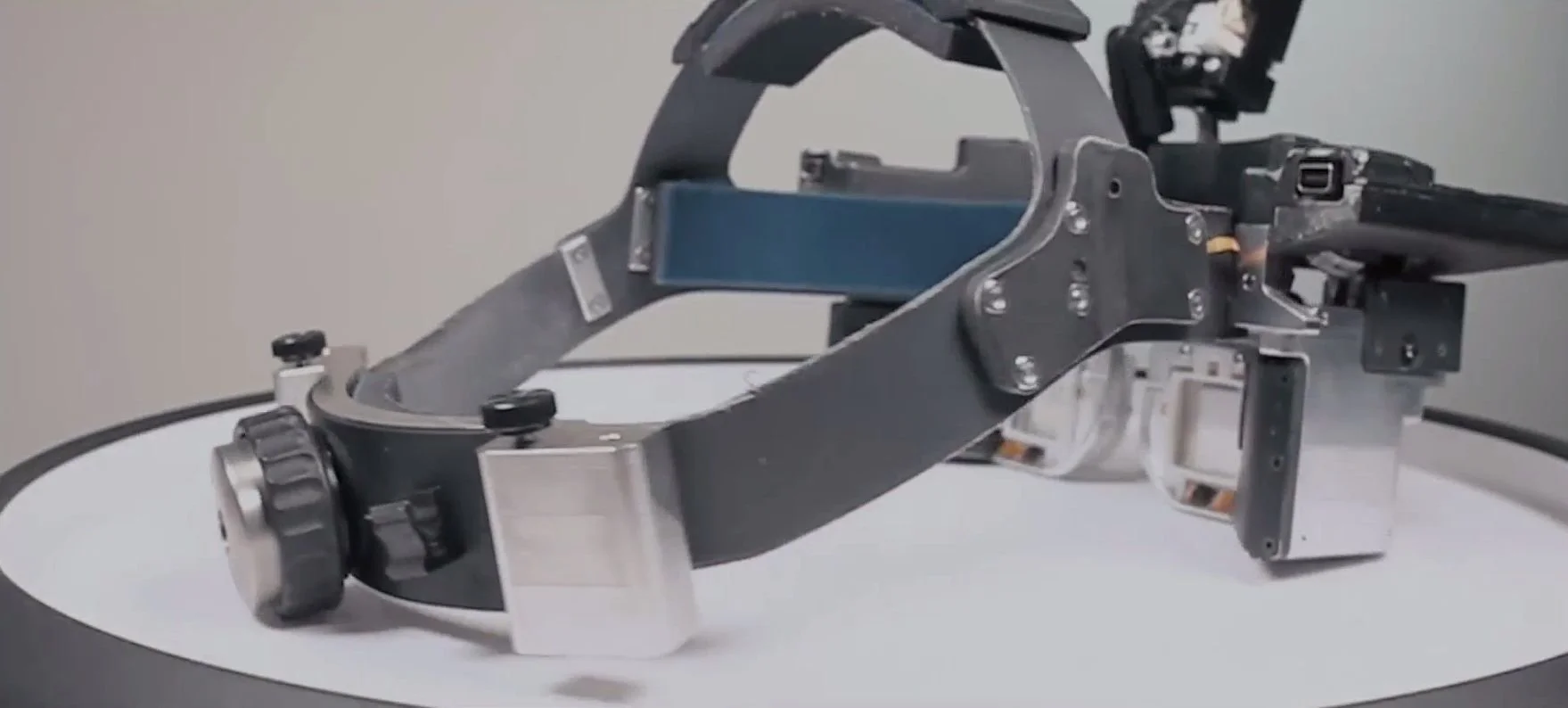
Purpose/Objective: Design a wearable augmented reality device that supports comfortable use.
Goal(s): Content should be comfortable to view; Users should not experience motion sickness.
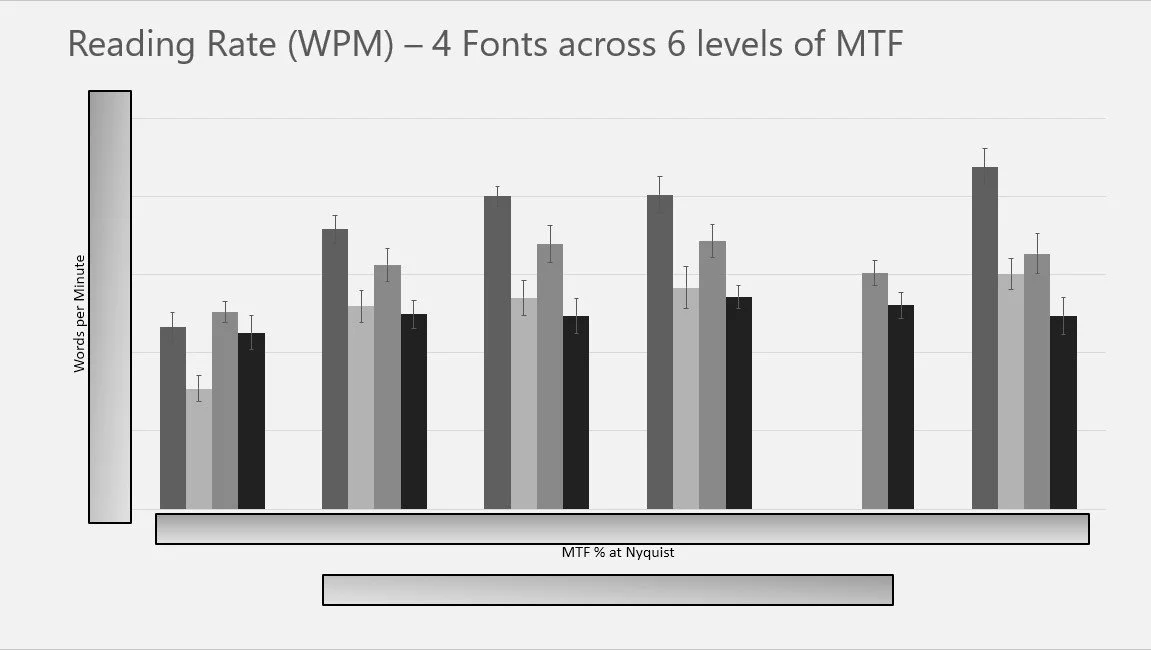
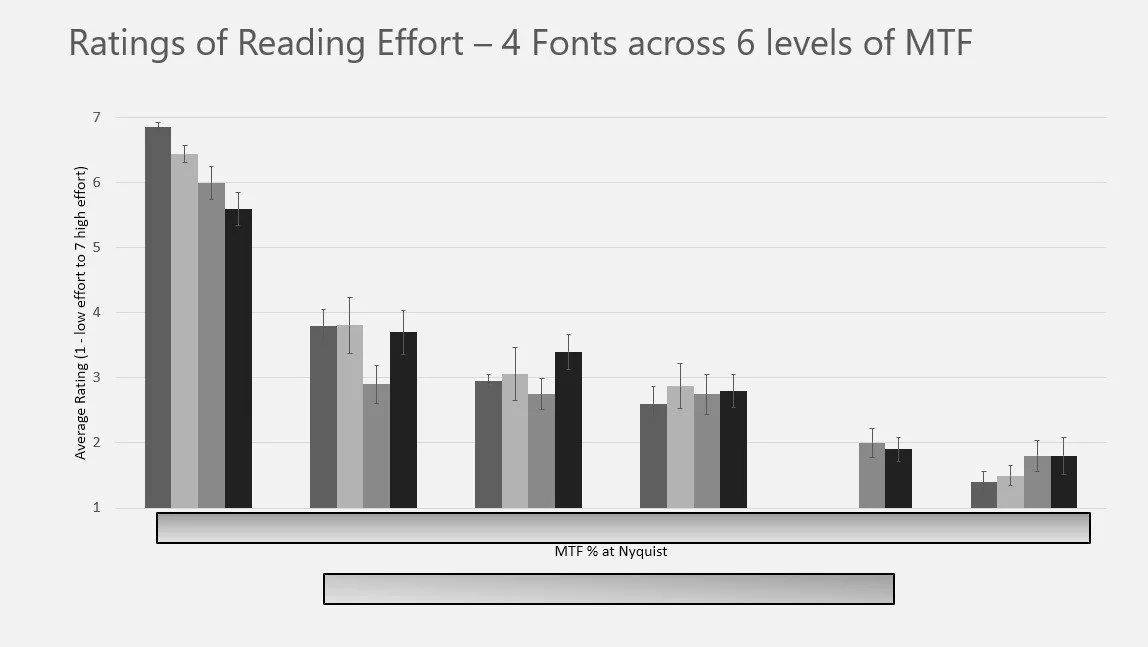
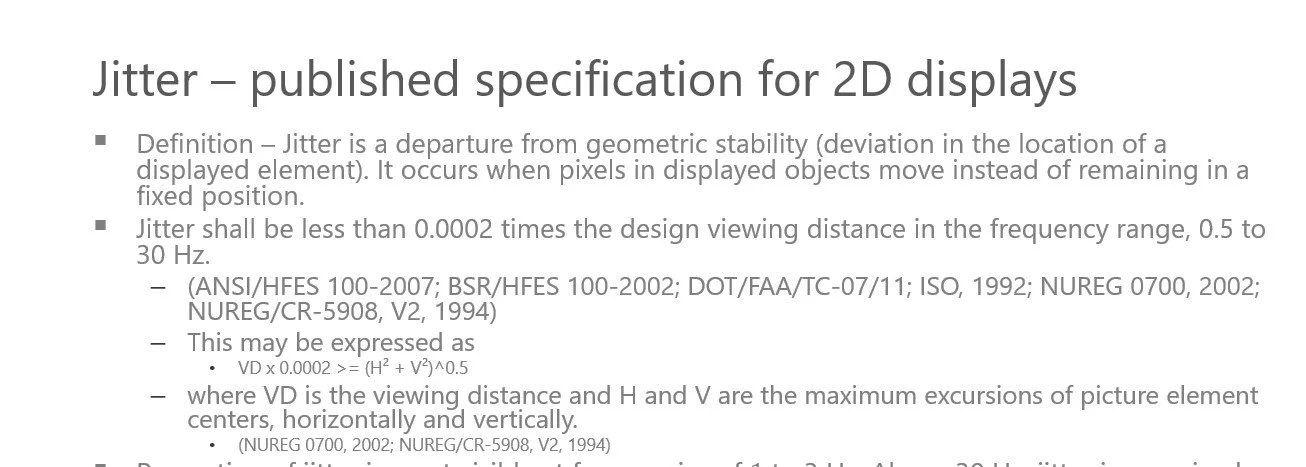
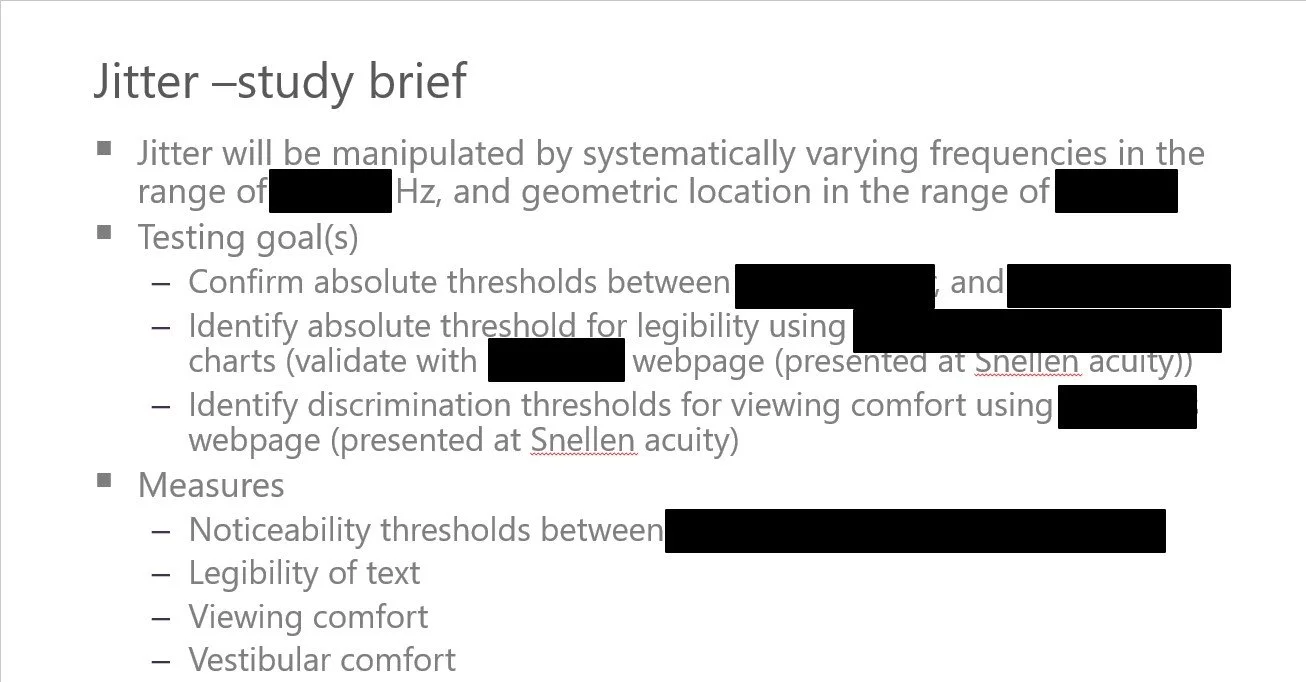
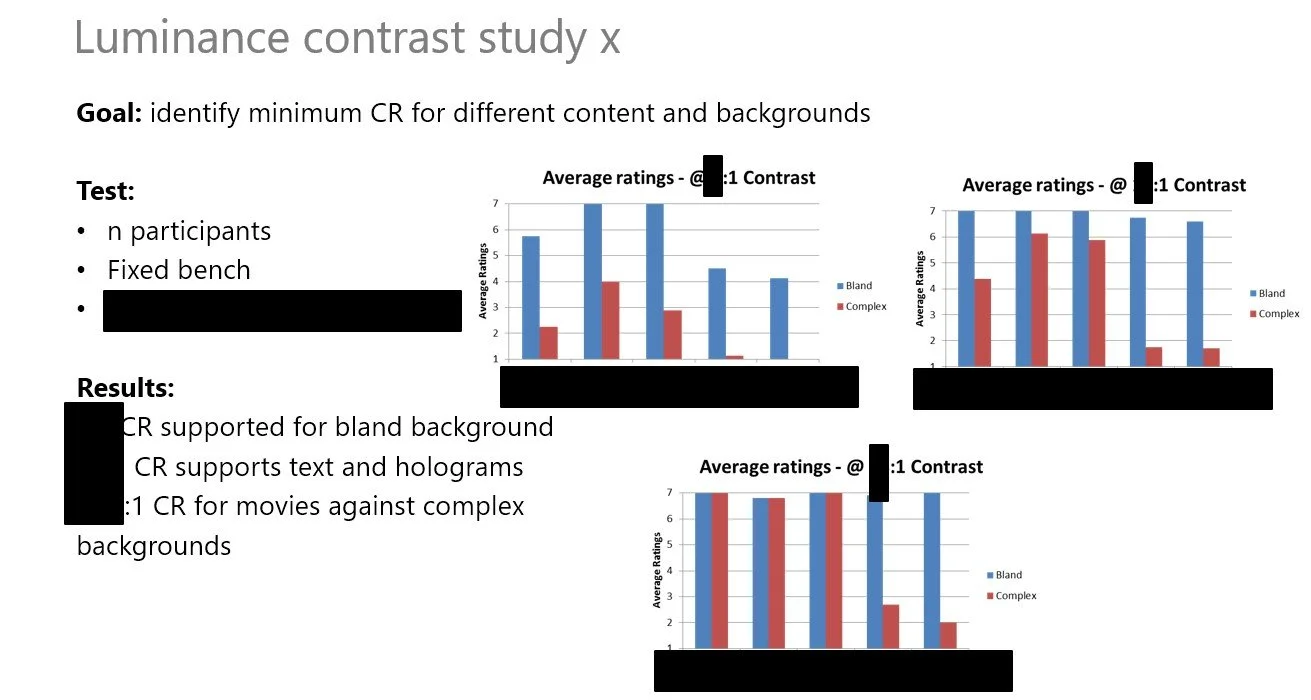
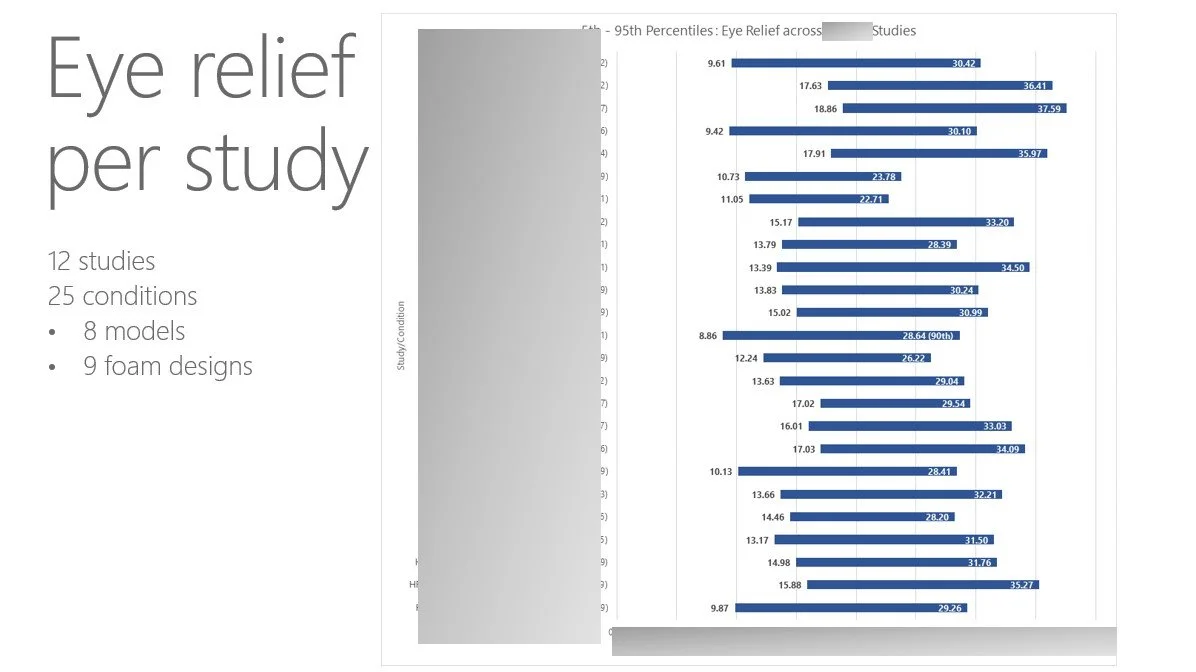
Role(s): I owned visual comfort and motion sickness prevention; I created design specifications and tolerances based on external and internal research for many categories, including: age of users, setting focal plane (to support vergence accommodation conflict), fonts legibility and readability, evaluation of models of lens MTF, inter-pupillary distance, latencies/motion artifacts (e.g., jitter, swim, drift), binocular display alignment, eye relief, monocular and binocular luminance and chromatic uniformity, optical distortions, see-through light transmission, see-through display contrast, display black level, FOV overlap, world-locked and body-locked content, interaction between real-world and AR content.
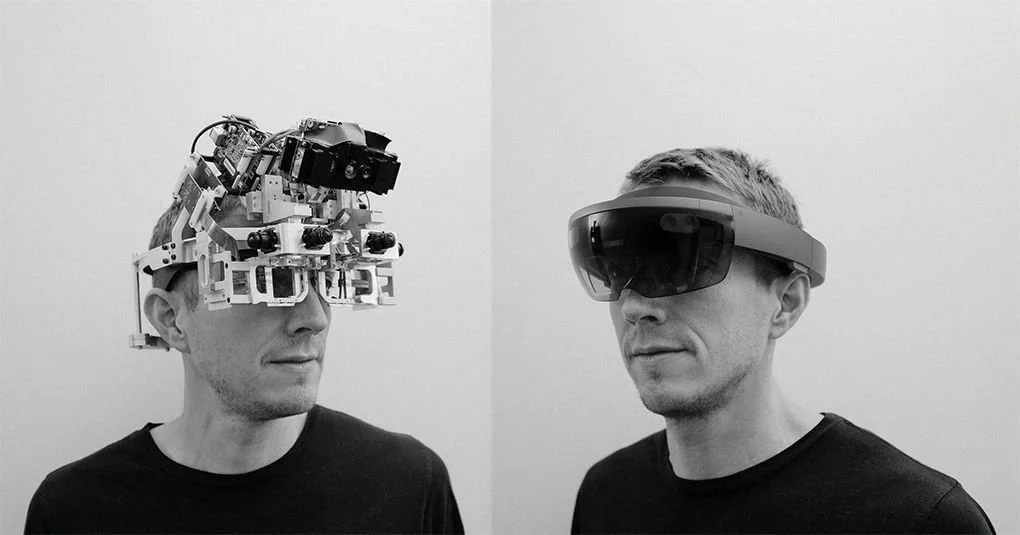
Outcome: Specifications became core design requirements for Microsoft’s first AR headset. HoloLens was the first device to let people comfortably view and interact with 3D holograms without the motion sickness of earlier VR, and it went on to power experiences like NASA’s Destination Mars exhibit, visited by 20,000+ people.
Independent validation:
• Peer-reviewed research: A CHI 2018 study of 142 participants across aviation, medical, and space training found HoloLens caused only negligible simulator sickness. (Vovk, Wild, Guest & Kuula, 2018)
• Press: Forbes titled its hands-on review “Augmented Reality That Doesn’t Make You Sick,” reporting no perceptible lag and no discomfort after 90 minutes. (Forbes, May 2015)
Exact research methods and design specifications are confidential IP and cannot be shared. Some modified examples are provided below.